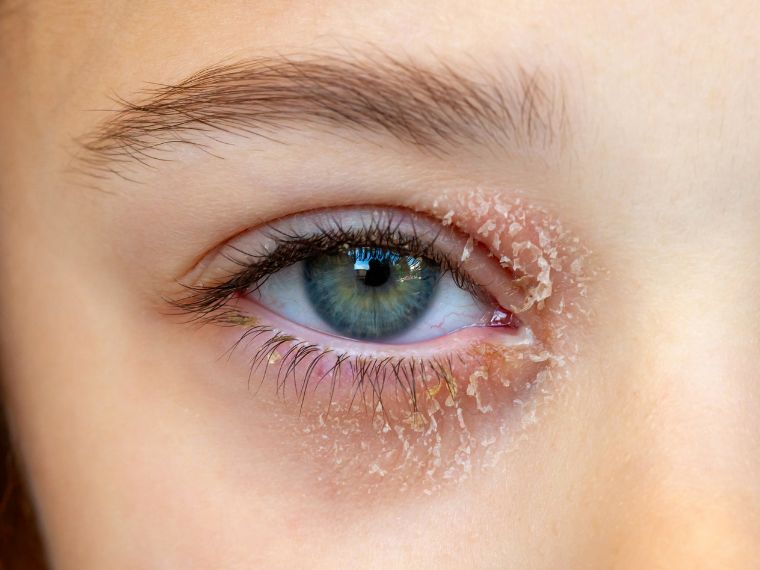

During pre-menopause and menopause stages, the androgen hormone decreases, affecting the functioning of glands in the eyelids. The glands produce the essential oils for the tears, so the reduction in oil results in increased tear evaporation and drier eyes.
When these fluid and oil-producing glands are affected, the eyelids can become inflamed, reducing tear quality and production, resulting in dry eye syndrome.
Some researchers believe that dry eye is connected to changes in estrogen levels. This explains why many women experience dry eye symptoms during certain times of a woman’s monthly cycle, or while taking birth control pills.
It is suggested that women in the pre-menopausal and menopausal periods consult an eye specialist to improve eye function.
How Is Hormone-Related Dry Eye Treated?
Because reduced hormones during and after menopause can cause meibomian gland dysfunction, treatment should be focused on reducing dry eye symptoms.
Dry eye treatments can include:
- Artificial tears
- Lubricating eye drops
- Eyelid hygiene
- Oral antibiotics
- Corticosteroid eye drops
- Medications that reduce eyelid inflammation
- Punctal plugs – to reduce tear flow away from the eyes