
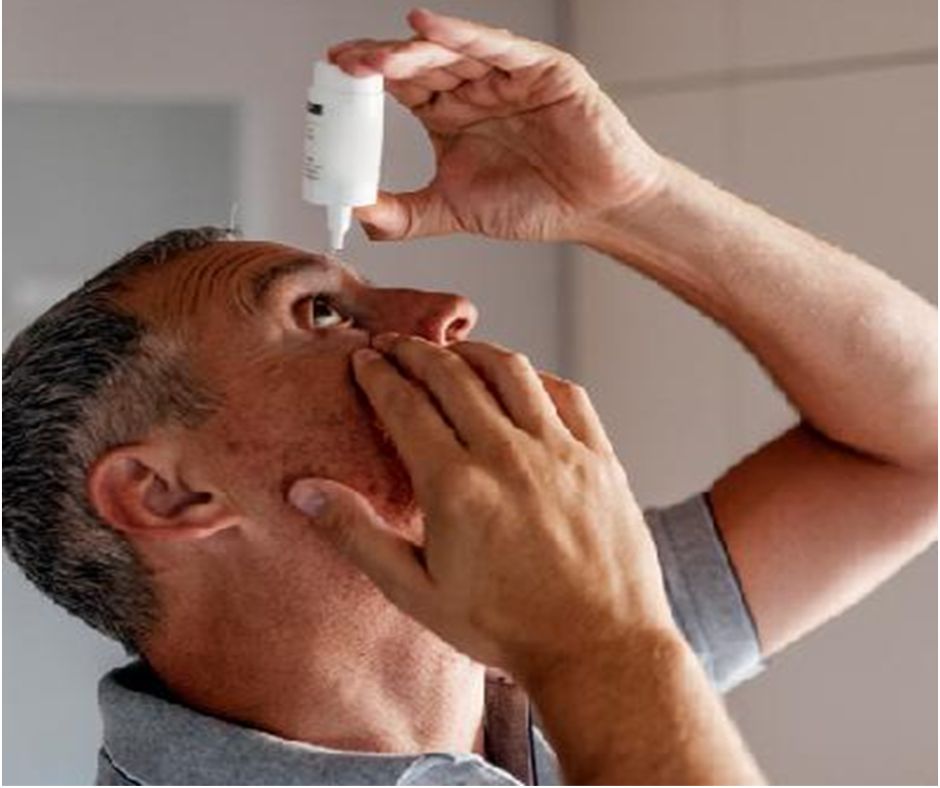
Managing glaucoma effectively revolves around lowering intraocular pressure (IOP). Eye drops remain the first line of treatment, with options tailored to different needs. Here’s a quick breakdown:
- Prostaglandin Analogs: Highly effective, reducing IOP by 25–32%. Once-daily dosing but may cause permanent cosmetic changes like iris darkening or eyelash growth.
- Beta Blockers: Affordable and reliable, typically lowering IOP by ~20%. Twice-daily dosing but can cause systemic effects, especially for those with heart or lung issues.
- Carbonic Anhydrase Inhibitors: Moderate IOP reduction, often used as an add-on. Topical forms are better tolerated than oral ones, which can cause systemic side effects.
- Alpha-Adrenergic Agonists: Effective for IOP control, but allergic reactions and mild systemic effects are common.
- Newer Medications: Options like netarsudil and latanoprostenebunod offer advanced mechanisms but come with higher costs and side effects like redness.
Glaucoma is the leading cause of irreversible blindness. The prevalence of primary open-angle glaucoma in Asian and Arab populations is between 1.2% and 4.2 %, and normal tension glaucoma comprises the majority (46.9%-92%) of open-angle glaucoma in epidemiologic studies.
The Early Manifest Glaucoma Trial showed that every 1mmHg reduction in IOP yielded a 10% reduction in the risk of visual field progression .
Two main classes of topical ocular hypotensive agents are used commonly for the treatment of open angle glaucoma or ocular hypertension (OHT). The first class includes beta-adrenergic receptor antagonists, carbonic anhydrase inhibitors and alpha-adrenergic receptor agonists, which lower IOP by reducing aqueous humor production. The other class of ocular hypotensive agents is prostaglandin analogs, including latanoprost, which increase aqueous humor outflow facilities through uveoscleral routes and possibly by trabecular meshwork. To date, pharmacologic reduction of IOP has remained the standard initial treatment to maintain eye pressure.
Conclusions
Although intolerable adverse effects including conjunctival hyperemia and eye irritation happened in the first month in 39% of cases, but overall