
What’s the Link Between Dry Eye and Pre-menopause / Menopause?

What’s the Link Between Dry Eye and Pre-menopause /  Menopause?

During pre-menopause and menopause stages, the androgen hormone decreases, affecting the functioning of glands  in the eyelids. The glands produce the essential oils for the tears, so the reduction in oil results in increased tear evaporation and drier eyes.

When these fluid and oil-producing glands are affected, the eyelids can become inflamed, reducing tear quality and production, resulting in dry eye syndrome.

Some researchers believe that dry eye is connected to changes in estrogen levels. This explains why many women experience dry eye symptoms during certain times of a woman’s monthly cycle, or while taking birth control pills.

It is suggested that women in the pre-menopausal and menopausal periods consult an eye specialist to improve eye function.

How Is Hormone-Related Dry Eye Treated?

Because reduced hormones during and after menopause can cause meibomian gland dysfunction, treatment should be focused on reducing dry eye symptoms.

Dry eye treatments can include:

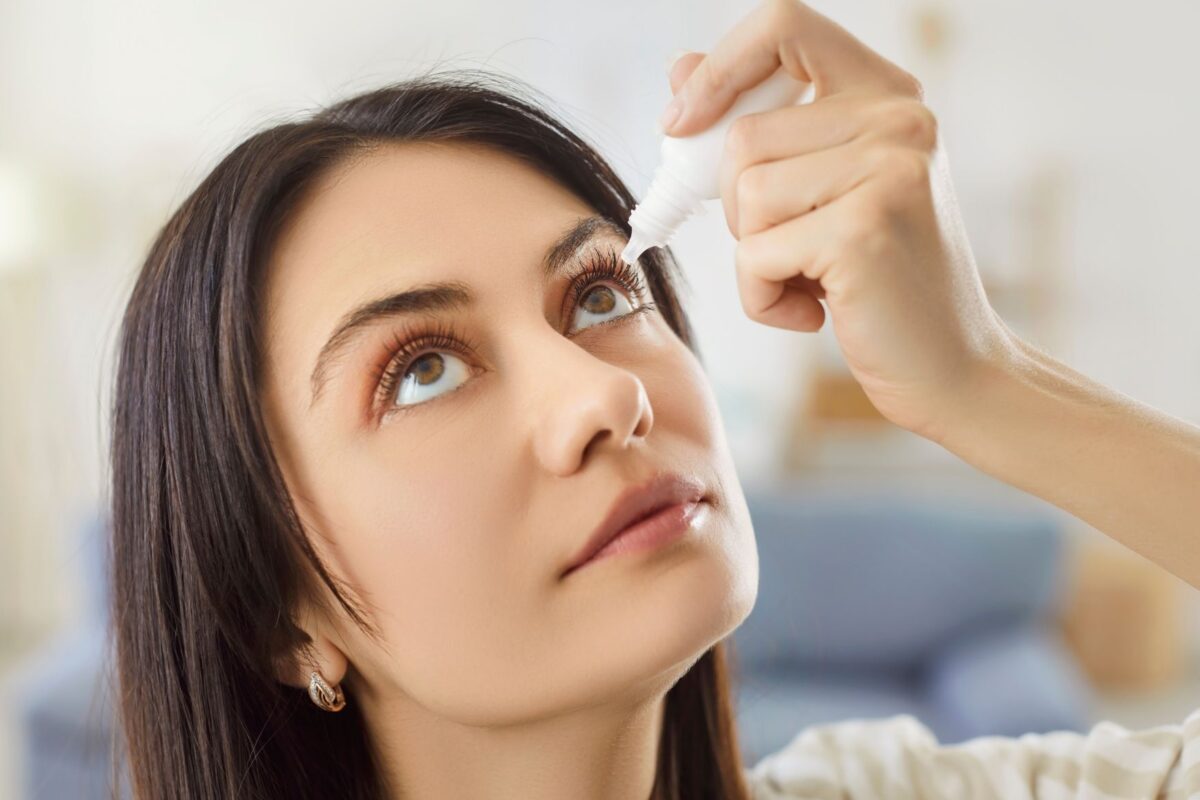
  • Artificial tears
  • Lubricating eye drops
  •  Eyelid hygiene
  • Oral antibiotics
  • Corticosteroid eye drops
  • Medications that reduce eyelid inflammation
  • Punctal plugs – to reduce tear flow away from the eyes
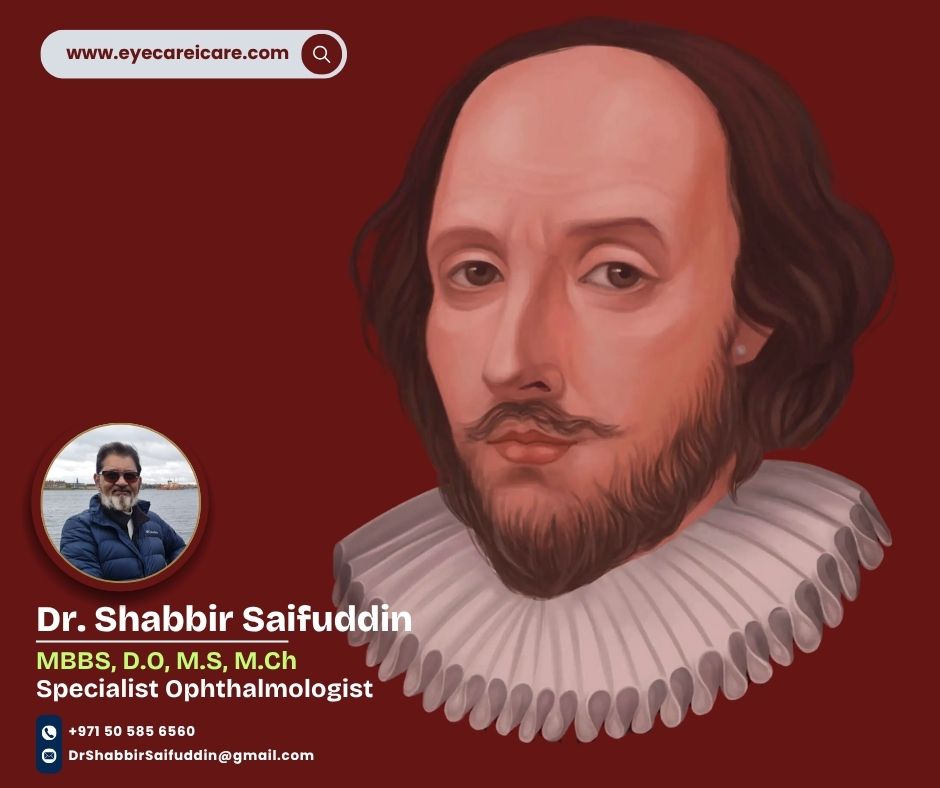
William Shakespeare had a rare eye disease

William Shakespeare had a rare eye disease….

I’ve recently been rediscovering Shakespeare’s work. Got more interested in his play -Hamlet, after visiting the Kronborg Castle in Denmark, where Shakespeare chose to use as the setting for Hamlet.

I also learnt that Shakespeare had an eye disease called Sjogren Disease or at that times was known as Mikulicz’s Syndrome which affects the Lacrimal glands. Deformation of his left eye with a protruding swelling in the nasal part of his left eye, as seen in many paintings, indicates a growth on the left eye. The portraits are not, and can never be , forensic evidence of likeness.

A 3D technique of photogrammetry made visible craters of the swelling, indicating some sort of eye tumor.

This was stunning evidence.

CHINESE POPULATION AND DRY EYES / OCULAR SURFACE DISEASE

CHINESE POPULATION AND DRY EYES / OCULAR SURFACE DISEASE

Risk factors: Common causes of dry eye in China include:

  • Prolonged screen time due to heavy academic workload or digital device
    usage.
  • Significant psychological stress.
  • Environmental factors like geographical region. Higher rates have been
    observed in northern and western China, possibly due to low humidity and
    high altitude.
  • Poor sleep quality.
  • Being female.

Dry eye in the UAE

Research has confirmed that dry eye is a widespread issue in the UAE, affecting a large
percentage of the population.

Prevalence: Prevalence: One study in Dubai estimated that 62.6% of participants had dry
eyes, a figure about three times higher than a widely cited global average.

Risk factors: Factors contributing to the high rates in the UAE include:

  • The hot, arid climate, which causes rapid evaporation of tears.
  • Widespread use of air conditioning, which reduces indoor humidity.
  • Extensive use of digital devices and contact lenses.
  • Exposure to pollutants and sandstorms.

Chinese residents in the UAE: A double risk

For Chinese residents in the UAE, the risks for dry eye are compounded by both their
ethnic background and their local environment. Added risk factors are :

  • Higher genetic predisposition: Research suggests East Asian populations have a
    greater prevalence and severity of dry eye symptoms compared to others ,
  • possibly due to anatomical or meibomian gland differences.

  • Environmental stress:  Chinese residents are then subjected to the intense heat,
    low humidity, and heavy air conditioning prevalent in the UAE.

Therefore, Chinese individuals living in the UAE are likely to have a very high risk of
developing or exacerbating dry eye disease due to a combination of inherent ethnic
factors and harsh environmental conditions.

Relevant preventive measures can improve the eye conditions and can have a positive
impact in terms of health and quality of life. And can improve the academic
performance in school and university students.

Dr. Shabbir Saifuddin ( Ophthalmologist ) Jumeirah 1

Care of Glaucoma patients | Dr. Shabbir Saifuddin ( Ophthalmologist ) Jumeirah 1

( Glaucoma medications- preservative-free: Many benefits )

Most eyedrops for glaucoma have preservatives that have side-effects and can reduce the quality and efficacy of treatment over a period of time. Many anti-glaucoma drops content preservative agents and common among them is Benzalkonium Chloride ( BAK ). It is a cationic surfactant that leads to cell lysis ( death of cells).

Many studies have shown that BAK is unreliable as a means of maintaining the sterility of the eye drops. BAK has a direct toxic effect on the ocular surface, decreases tear film stability and can cause epithelial defects.

Preservatives in glaucoma eyedrops can reduce in the success rate of glaucoma surgery.

Preservative-free single-use eye-pressure-lowering eyedrop preparations are now commercially available.

A note : I would probably not change a patient to preservative-free drops if they were over 75 years old and doing well with their current therapy for glaucoma.

However, I would change a patient below 65 years to a preservative-free regimen so as to avoid ocular complications.

Dr. Shabbir Saifuddin ( Ophthalmologist ) Jumeirah 1

Whatsapp Now