
3rd DEOSS Congress 2026 attracts researches and doctors to update on latest in the management of DRY EYES


3rd DEOSS Congress 2026 attracts researches and doctors to update on latest in the management of DRY EYES

Attended the Ophthalmology Conference organised by Moorfields UAE -in Dubai
today 10 Jan 2026. Excellent coverage of various eye diseases, including oculoplasty and myopia. Thanks to the Moorfields Hospital staff. Well organise event
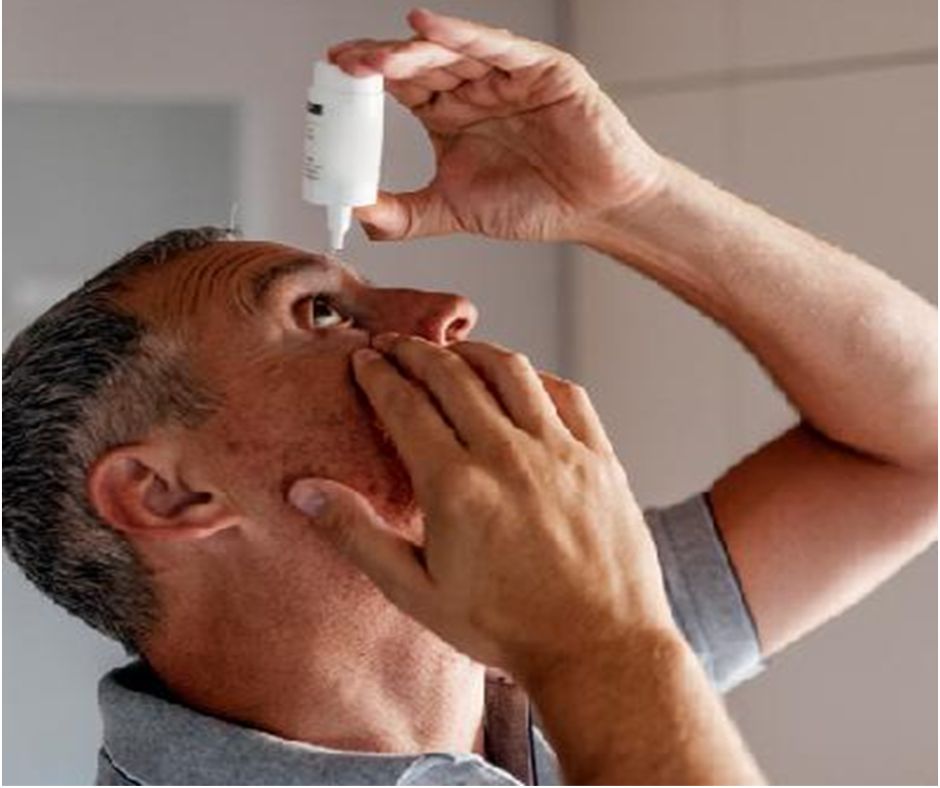
Scientists are investigating a naturally occurring steroid called lanosterol that could be used one day to treat cataracts. It may be possible one day to use lanosterol in the form of a topical eye drop to reduce cataract development.
Lanosterol eye drops could potentially be a safe, non-invasive, and less costly alternative to cataract surgery for patients who have moderate forms of cataracts.
Scientists surmised that lanosterol functions to keep the human lens clear by stopping the breakdown and clumping of the normally clear proteins in the lens.
Lanosterol was able to significantly shrink the size of cataracts and improve lens transparency.
Scientists caution that more research is needed before deeming the drops as a safe and effective treatment for cataracts in humans. It could be a very exciting discovery.

Managing glaucoma effectively revolves around lowering intraocular pressure (IOP). Eye drops remain the first line of treatment, with options tailored to different needs. Here’s a quick breakdown:
Glaucoma is the leading cause of irreversible blindness. The prevalence of primary open-angle glaucoma in Asian and Arab populations is between 1.2% and 4.2 %, and normal tension glaucoma comprises the majority (46.9%-92%) of open-angle glaucoma in epidemiologic studies.
The Early Manifest Glaucoma Trial showed that every 1mmHg reduction in IOP yielded a 10% reduction in the risk of visual field progression .
Two main classes of topical ocular hypotensive agents are used commonly for the treatment of open angle glaucoma or ocular hypertension (OHT). The first class includes beta-adrenergic receptor antagonists, carbonic anhydrase inhibitors and alpha-adrenergic receptor agonists, which lower IOP by reducing aqueous humor production. The other class of ocular hypotensive agents is prostaglandin analogs, including latanoprost, which increase aqueous humor outflow facilities through uveoscleral routes and possibly by trabecular meshwork. To date, pharmacologic reduction of IOP has remained the standard initial treatment to maintain eye pressure.
Conclusions
Although intolerable adverse effects including conjunctival hyperemia and eye irritation happened in the first month in 39% of cases, but overall