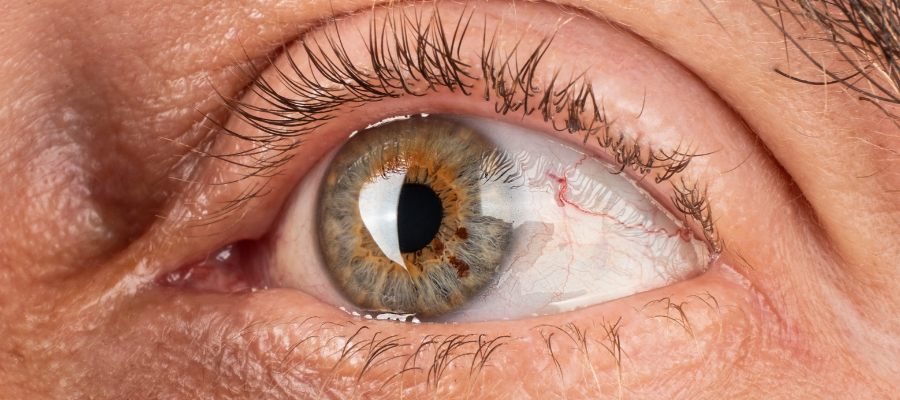
Confused with Glaucoma therapy ?

How to Select the Right Therapy for Glaucoma Management?
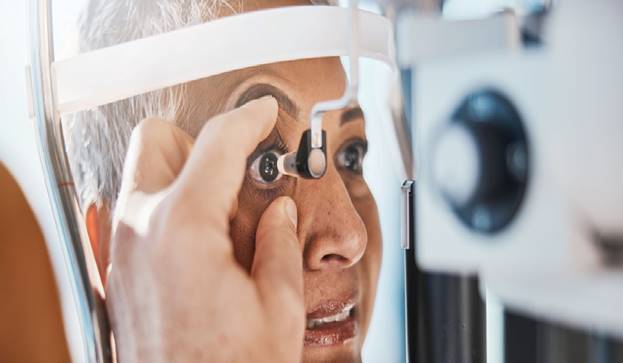
What is the importance of preservative-free topical medications in glaucoma management?

Answer: Topical glaucoma medications are associated with a significant incidence of progressive glaucoma therapy-related ocular surface disease (OSD) due to the use of preserved eye drops. Prevention or improvement of therapy-related OSD can be achieved by eliminating exposure to the commonly used preservative, benzalkonium chloride ( BAK ). OSD significantly improves upon discontinuation of topical BAK-preserved glaucoma eye drops. New technology gives benefit of having totally preservative-free eye drops. Therefore, switching to BAK free/preservative-free formulations or formulations with ionic buffer systems improves tolerability and may enhance the success of long term stepwise medical therapy

A question for you to answer –

Are preservative-free eye drops more effective in glaucoma management?

A. Yes, they are very effective.

B. They are effective, but costly.

C. No, they are as effective as the eye drops with preservatives.

If confused, then your Eye Specialist will best help you to clear your doubts and questions, talk to him.
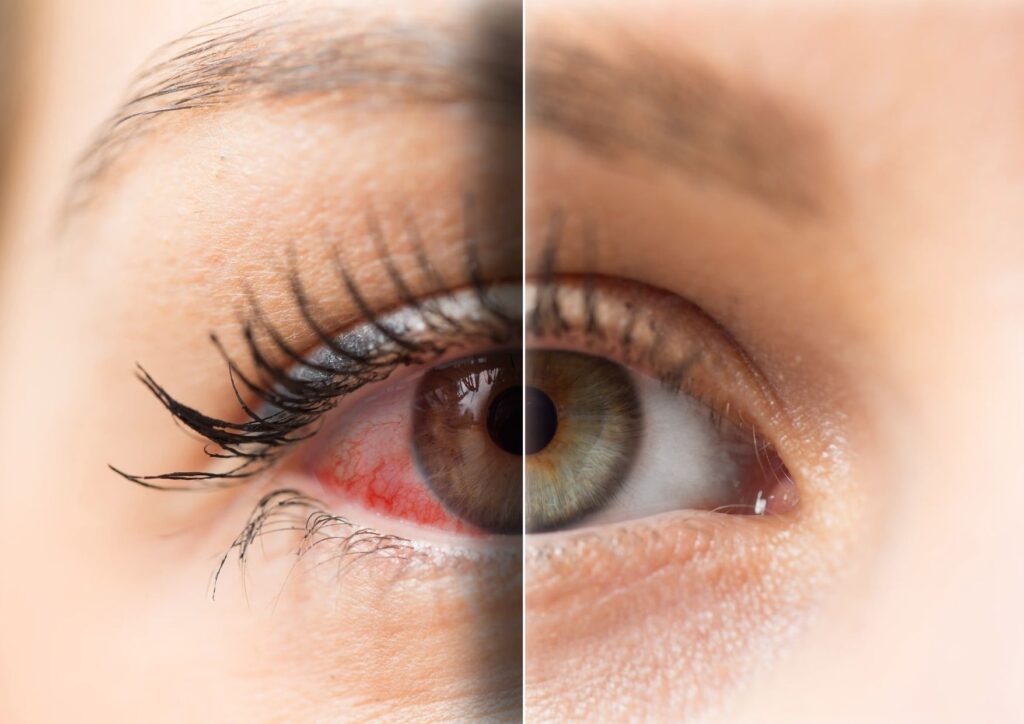
Role of Autologous Sear Tears for Dry Eyes

DEWS III has updated classifications that identify 9 etiological drivers- Lipid, Aqueous, Mucin Tear Film Layer, Eyelid anatomic juxtaposition, Blinking, Lid margin, nerves/ sensations, Cellular damage, and Inflammatory/ Oxidative Stress.

It’s actually impossible to treat all these in the management of Dry Eye/ Ocular Surface Disease. A single-treatment solution capable of addressing everything at one go is a possibility in the very near future. Serum Tears.

Serum Tears improves the signs and symptoms in dry eye patients, yielding better results compared to both cyclosporines. But as always, great results are only great if patients can actually receive them in practice. It’s necessary that patients receive a standardized preparation of the product.

Serum Tears will be available for use in the near future that will make patients happy.

Glaucoma prevalence nearly 50% higher than previously estimated

Over 3 million individuals in the world are estimated to have glaucoma by 2060.

It is estimated that the prevalence of glaucoma currently is almost 50% higher than previously estimated and that over 3 million individuals are estimated to have glaucoma by 2060.

Ageing of the population is suspected to be a factor in the spike in the prevalence rate.

Given that glaucoma remains asymptomatic until its later stages, early detection and timely intervention may help slow disease progression and preserve vision. The burden of glaucoma is projected to rise, placing increasing pressure on an already stretched healthcare system.

Regenerative Medicine and Ocular Surface Diseases

For Dry Eyes / Ocular Surface Disease –   A preservative-free, artificial tear designed to address both aqueous- and lipid-deficient dry eye.

 Eye Drops   formulation combines  sodium hyaluronate and medium-chain triglycerides (MCT) to provide long-lasting hydration, improve tear film stability, and soothe the discomfort associated with dry eye symptoms such as fatigue, blurred vision, burning and tearing.

The sodium hyaluronate  acts as a natural humectant, supporting the maintenance of the three layers of the tear film. While the MCT component enhances tear film integrity and reduces evaporation. Together, these components help the formulation remain on the ocular surface, providing both immediate and sustained relief.

One should to note that not all artificial drops may help in relieving the signs and symptoms of Dry Eye.

Patients should seek the help of Eye Specialist to get the right combination and right molecules as part of the treatment

What’s the Link Between Dry Eye and Pre-menopause / Menopause?

Bionic Eye

A bionic eye, also called a visual prosthesis, is an electrical implant that is surgically inserted into the eye. It improves light sensitivity and creates a sense of vision for people who have advanced vision loss.

Most of the devices being developed are for individuals who have retinal degeneration caused by diseases like retinitis pigmentosa (RP) and age-related macular degeneration (AMD). There are other devices being studied that bypass the optic nerve and may be useful for people who have other types of vision loss.

A consultation with a doctor is necessary to determine if bionic eyes are a viable treatment option for your specific vision loss

1 2 3 5
Whatsapp Now