
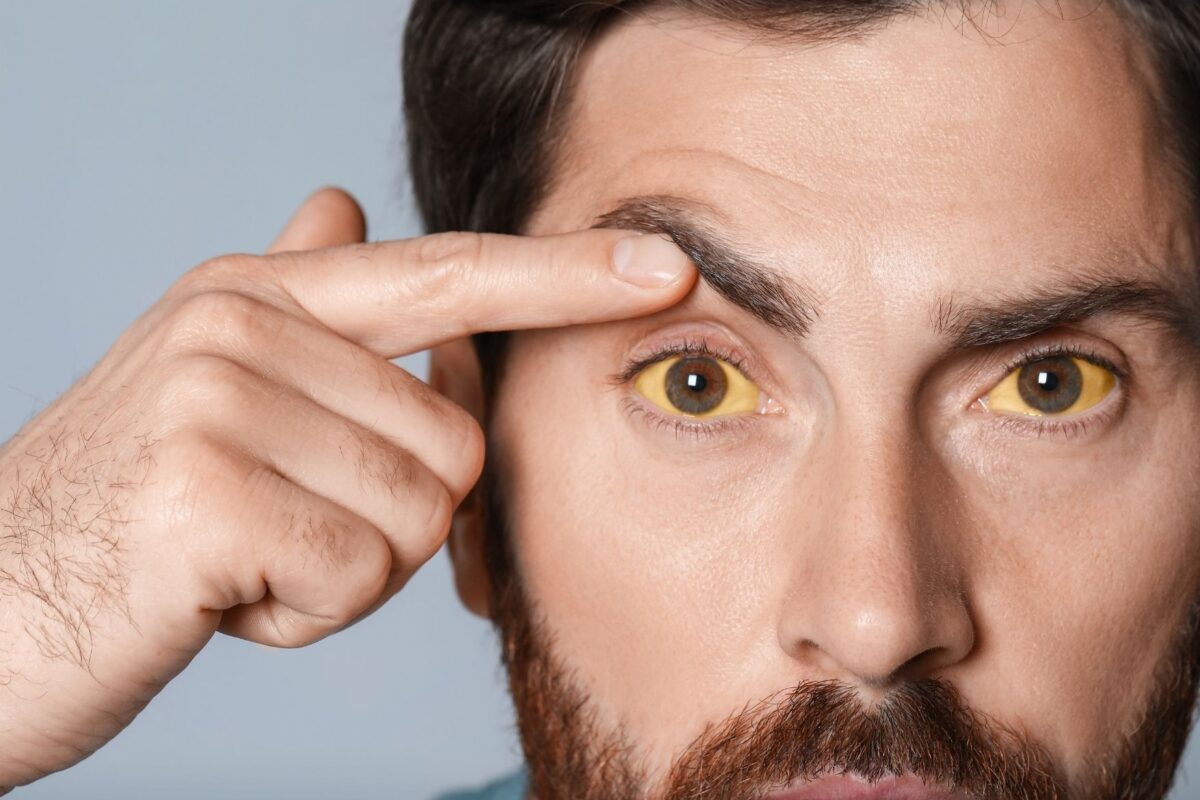
A silent health concern is gripping the Gulf region. Nearly 45% of the adult population has fatty liver.
When early symptoms do appear, they can be unclear and hard to pinpoint. Some people experience:
- Fatigue
- Muscle weakness or cramps
- Lack of appetite
- Itchy skin
- Stomach pain
- Diarrhea, nausea or vomiting
- Feeling sick or like something is “off”
These symptoms can vary depending on the underlying cause of liver damage. These symptoms are often missed as stress or overwork, but if fatigue becomes a daily issue, it needs paying closer attention.
If it gets worse, advanced liver disease and eventual liver failure can affect your eyes and eyesight. These effects can include:
- Yellow Eyes
- Dry eyes
- Eyesight problems caused by vitamin A deficiency
- Small skin growths around your eyes
- Cornea and crystalline lens issues
- Problems with the nerves around your eyes
- Vision loss (if underlying causes remain untreated)
- Eye-related side effects from medication
Here’s how and why each of these happens:
Yellow eyes
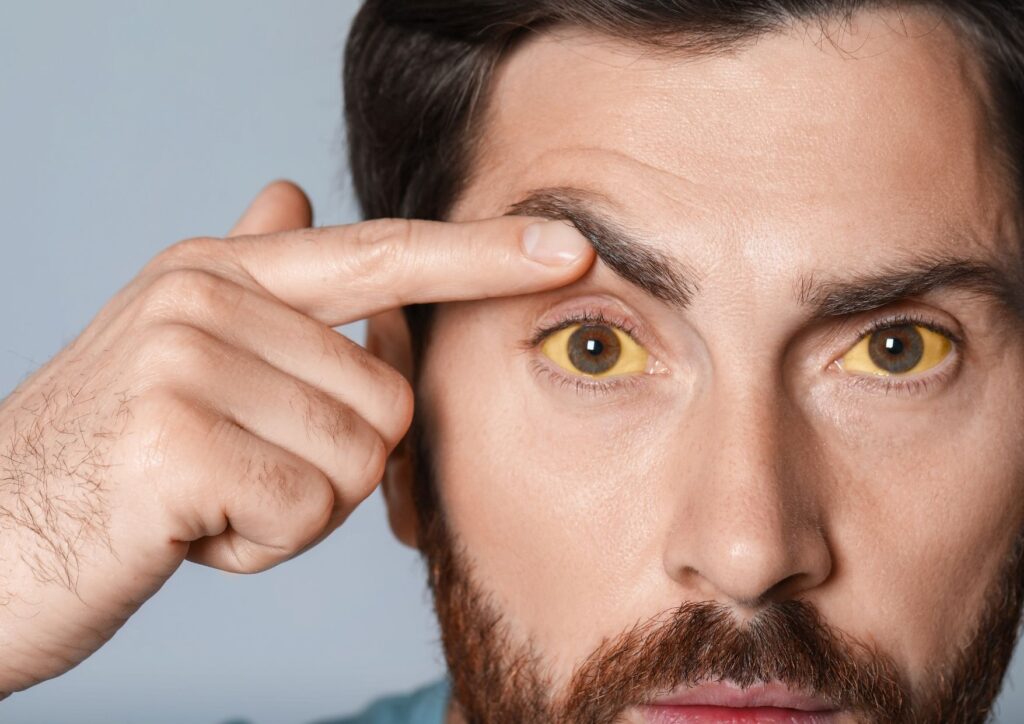
Jaundice is a common eye-related sign of liver failure and other liver problems.
Jaundice makes your skin and the white part of each eye look yellow. Skin yellowing can be harder to notice in people who have darker skin tones.
A yellow-orange pigment called bilirubin is released when your liver removes old blood cells. A healthy liver removes most of the pigment, but a damaged liver has more difficulty.
When enough bilirubin builds up in your body, it can turn your skin and eyes yellow.
Jaundice isn’t always a direct sign of liver disease. It can also happen with:
- Certain medications
Dry eyes / Xerophthalmia
Liver problems can cause dry eyes.
A gritty feeling
- Burning
- Itching
- Blurry vision
- Light sensitivity
- Eyelid irritation
If fatigue, despite proper rest and good food, is worriying you, seek professional help and see your family doctor and eye speicalist before complications appear.