
Best Eye Drops for Glaucoma: 2025 Review

Best Eye Drops for Glaucoma: 2025 Review

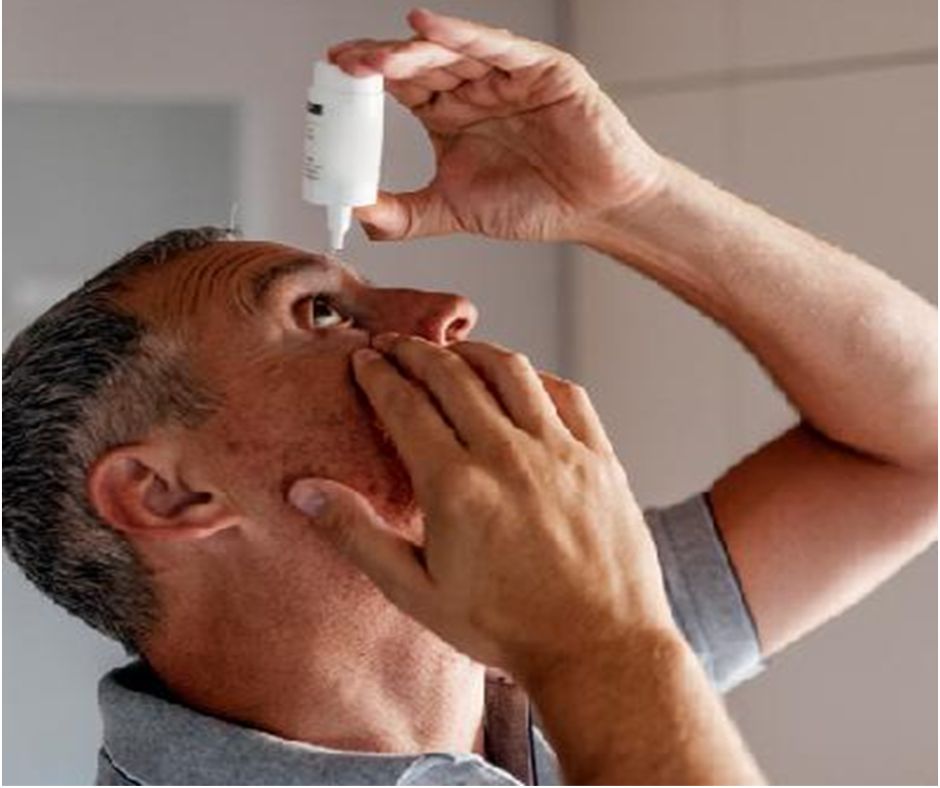
Managing glaucoma effectively revolves around lowering intraocular pressure (IOP). Eye drops remain the first line of treatment, with options tailored to different needs. Here’s a quick breakdown:

  • Prostaglandin Analogs: Highly effective, reducing IOP by 25–32%. Once-daily dosing but may cause permanent cosmetic changes like iris darkening or eyelash growth.
  • Beta Blockers: Affordable and reliable, typically lowering IOP by ~20%. Twice-daily dosing but can cause systemic effects, especially for those with heart or lung issues.
  • Carbonic Anhydrase Inhibitors: Moderate IOP reduction, often used as an add-on. Topical forms are better tolerated than oral ones, which can cause systemic side effects.
  • Alpha-Adrenergic Agonists: Effective for IOP control, but allergic reactions and mild systemic effects are common.
  • Newer Medications: Options like netarsudil and latanoprostenebunod offer advanced mechanisms but come with higher costs and side effects like redness.

Glaucoma is the leading cause of irreversible blindness. The prevalence of primary open-angle glaucoma  in Asian and Arab  populations is between 1.2% and 4.2 %, and normal tension glaucoma  comprises the majority (46.9%-92%) of open-angle glaucoma in  epidemiologic studies.

The Early Manifest Glaucoma Trial showed that every 1mmHg reduction in IOP yielded a 10% reduction in the risk of visual field progression .

Two main classes of topical ocular hypotensive agents are used commonly for the treatment of open angle glaucoma or ocular hypertension (OHT). The first class includes beta-adrenergic receptor antagonists, carbonic anhydrase inhibitors and alpha-adrenergic receptor agonists, which lower IOP by reducing aqueous humor production. The other class of ocular hypotensive agents is prostaglandin analogs, including latanoprost, which increase aqueous humor outflow facilities through uveoscleral routes and possibly by trabecular meshwork. To date, pharmacologic reduction of IOP has remained the standard initial treatment to maintain eye pressure.

Conclusions

Although  intolerable adverse effects including conjunctival hyperemia and eye irritation happened in the first month in 39% of cases, but overall

Aftificial Intelligence ( AI ) in Ophthalmology Practice

Aftificial Intelligence ( AI ) in Ophthalmology Practice

Currently, AI in eye care is used to improve medical practices. The algorithms are widespread and performing well.  Algorithms and AI databases are supporting ophthalmologists around the world. Some of the
common uses include –

With high incidence of Myopia cases, we, at the Department of Ophthalmology, Good Living Medical Centre, our Eye Specialist plans to manage cases of Myopia with the help of AI.

Clinical practice at our Centre’s Ophthalmology Department will include early screening for Myopia, identifying risk factors, evaluating life-style, genetics and environmental factors. In-clinic examinations will include cycloplegic or noncycloplegic refraction, visual acuity, binocular vision and accommodation testing, corneal topography, axial length, corneal curvature radius and eye pressure.

With a large number of cases, large data will be generated. The quality and diversity of data collected could be of great significance for the further application of AI in the management of Myopia. This will help in practical considerations for integrating AI into clinic practice. This advancement will offer our Eye Specialist, Dr Shabbir Saifuddin and his team a powerful tool for improving patient care and treatment.

 AI technology cannot replace humanistic care, and no one is asserting that we should let algorithms manage our patients. AI-powered healthcare is not about replacing ophthalmologists, but rather augmenting their knowledge and expertise for better care of the patients.

Dr. Shabbir Saifuddin ( Ophthalmologist ) Jumeirah 1

Care of Glaucoma patients | Dr. Shabbir Saifuddin ( Ophthalmologist ) Jumeirah 1

( Glaucoma medications- preservative-free: Many benefits )

Most eyedrops for glaucoma have preservatives that have side-effects and can reduce the quality and efficacy of treatment over a period of time. Many anti-glaucoma drops content preservative agents and common among them is Benzalkonium Chloride ( BAK ). It is a cationic surfactant that leads to cell lysis ( death of cells).

Many studies have shown that BAK is unreliable as a means of maintaining the sterility of the eye drops. BAK has a direct toxic effect on the ocular surface, decreases tear film stability and can cause epithelial defects.

Preservatives in glaucoma eyedrops can reduce in the success rate of glaucoma surgery.

Preservative-free single-use eye-pressure-lowering eyedrop preparations are now commercially available.

A note : I would probably not change a patient to preservative-free drops if they were over 75 years old and doing well with their current therapy for glaucoma.

However, I would change a patient below 65 years to a preservative-free regimen so as to avoid ocular complications.

Dr. Shabbir Saifuddin ( Ophthalmologist ) Jumeirah 1

Whatsapp Now