William Shakespeare had a rare eye disease

William Shakespeare had a rare eye disease….

I’ve recently been rediscovering Shakespeare’s work. Got more interested in his play -Hamlet, after visiting the Kronborg Castle in Denmark, where Shakespeare chose to use as the setting for Hamlet.

I also learnt that Shakespeare had an eye disease called Sjogren Disease or at that times was known as Mikulicz’s Syndrome which affects the Lacrimal glands. Deformation of his left eye with a protruding swelling in the nasal part of his left eye, as seen in many paintings, indicates a growth on the left eye. The portraits are not, and can never be , forensic evidence of likeness.

A 3D technique of photogrammetry made visible craters of the swelling, indicating some sort of eye tumor.

This was stunning evidence.

CHINESE POPULATION AND DRY EYES / OCULAR SURFACE DISEASE

CHINESE POPULATION AND DRY EYES / OCULAR SURFACE DISEASE

Risk factors: Common causes of dry eye in China include:

  • Prolonged screen time due to heavy academic workload or digital device
    usage.
  • Significant psychological stress.
  • Environmental factors like geographical region. Higher rates have been
    observed in northern and western China, possibly due to low humidity and
    high altitude.
  • Poor sleep quality.
  • Being female.

Dry eye in the UAE

Research has confirmed that dry eye is a widespread issue in the UAE, affecting a large
percentage of the population.

Prevalence: Prevalence: One study in Dubai estimated that 62.6% of participants had dry
eyes, a figure about three times higher than a widely cited global average.

Risk factors: Factors contributing to the high rates in the UAE include:

  • The hot, arid climate, which causes rapid evaporation of tears.
  • Widespread use of air conditioning, which reduces indoor humidity.
  • Extensive use of digital devices and contact lenses.
  • Exposure to pollutants and sandstorms.

Chinese residents in the UAE: A double risk

For Chinese residents in the UAE, the risks for dry eye are compounded by both their
ethnic background and their local environment. Added risk factors are :

  • Higher genetic predisposition: Research suggests East Asian populations have a
    greater prevalence and severity of dry eye symptoms compared to others ,
  • possibly due to anatomical or meibomian gland differences.

  • Environmental stress:  Chinese residents are then subjected to the intense heat,
    low humidity, and heavy air conditioning prevalent in the UAE.

Therefore, Chinese individuals living in the UAE are likely to have a very high risk of
developing or exacerbating dry eye disease due to a combination of inherent ethnic
factors and harsh environmental conditions.

Relevant preventive measures can improve the eye conditions and can have a positive
impact in terms of health and quality of life. And can improve the academic
performance in school and university students.

Regenerative Medicine and Ocular Surface Diseases

Regenerative Medicine and Ocular Surface Diseases ( DRY EYE DISEASE ) – Breakthrough therapies

Regenerative medicine focuses on repairing damaged tissue and regenerating missing or lost tissue while restoring normal form and function. Regenerative medicine works by stimulating your body’s own natural ability to repair and regenerate itself.

Exosome Therapy

Exosome therapy for the treatment of dry eye disease.

 Meibomian gland dysfunction, blepharitis, ocular rosacea and allergic conjunctivitis (collectively known as ocular surface disease, OSD) is an exciting and innovative approach which works by reducing inflammation, repairing damaged tissue and regenerating lost tissue. While exosome therapy is still undergoing research and clinical trials, it has shown great potential and promise as an effective treatment for patients who suffer from ocular surface diseases, especially when first line, conventional treatments haven’t provided sufficient relief.

In clinical practice the work  with exosomes  is derived from umbilical cord stem cells formulated as an extract which is instilled as eye drops. These drops are filled with growth hormones, anti-inflammatory cytokines, amino acids, proteins, lipids, and exosomes which stimulate the body’s own natural ability to heal, repair, regrow and regenerate cells and tissue. This extract is biologically active with the ability to differentiate into any cell or tissue type it contacts because it’s derived from pluripotent embryonic stem cells.

In dry eye disease, Meibomian gland dysfunction, blepharitis, ocular rosacea and allergic conjunctivitis (OSD), the corneal and conjunctival epithelial cells, and the lacrimal and Meibomian glands, are damaged due to chronic dryness and inflammation. Exosome therapy reduces inflammation supporting the healing, repair and regeneration of the ocular surface, and the lacrimal and Meibomian glands, thus improving the overall health and comfort of the eyes and eyelids.

Two key factors involved in dry eye disease, Meibomian gland dysfunction, blepharitis, and ocular rosacea are insufficient tear production by the lacrimal glands and insufficient oil production by the Meibomian glands. Exosome therapy can help stimulate the repair and regeneration of the lacrimal and Meibomian glands in both form and function. This results in the production of better quality and quantity of tears by the lacrimal glands and oil by the Meibomian glands, thus stabilizing the tear film, increasing comfort, and enhancing vision by supporting a smoother, healthier ocular surface.

Autologous Serum

Autologous Serum drops are used in the treatment of dry eye disease, Meibomian gland dysfunction, blepharitis, ocular rosacea and allergic conjunctivitis (OSD). They lubricate and promote healing and repair of the surface of the eyes, the lacrimal and Meibomian glands, and the eyelids. Autologous serum is custom made eye drops which take advantage of your own body’s natural growth factors, immunoglobulins, anti-inflammatory cytokines, antibodies, vitamins and other essential components in your blood. Dr. Muller arranges for you to have your blood drawn (as if you were donating blood), your blood is spun down using a centrifuge, and the serum is made into eye drops. Autologous serum drops have been shown to increase the health and comfort of the eyes and eyelids, decrease inflammation and scarring, promote healing and repair, enhance vision by supporting a smoother, healthier ocular surface, and make patients much more comfortable by reducing symptoms such as dryness, irritation, and redness.

Amniotic Membranes

Amniotic membranes are another innovative treatment used to enhance and facilitate healing and reduce inflammation for the treatment of dry eye disease, Meibomian gland dysfunction, blepharitis, ocular rosacea, allergic conjunctivitis, and other ocular conditions.

Amniotic membranes are therapeutic biologic corneal bandages (similar to contact lenses). These corneal bandage lenses are composed of amniotic membrane derived from the innermost layer of placental tissue which contains growth factors, anti-inflammatory cytokines, and extracellular matrix proteins that promote healing and repair of damaged tissue, and reduce inflammation. The natural therapeutic properties of these membranes also help decrease the risk of complications such as corneal ulcers or infections, mitigate scarring, enhance comfort, and improve vision by creating a smoother, healthier ocular surface.

A consultation with Eye Specialist is necessary to determine if these new modalities and latest treatment approaches are viable cure options for your specific eye problem related to Ocular Surface Disease.

August is Children’s Eye Health and Safety Month

August is Children’s Eye Health and Safety Month

Expert Pediatric Eye Care by Dr. Shabbir Saifuddin – Eye Specialist in Dubai

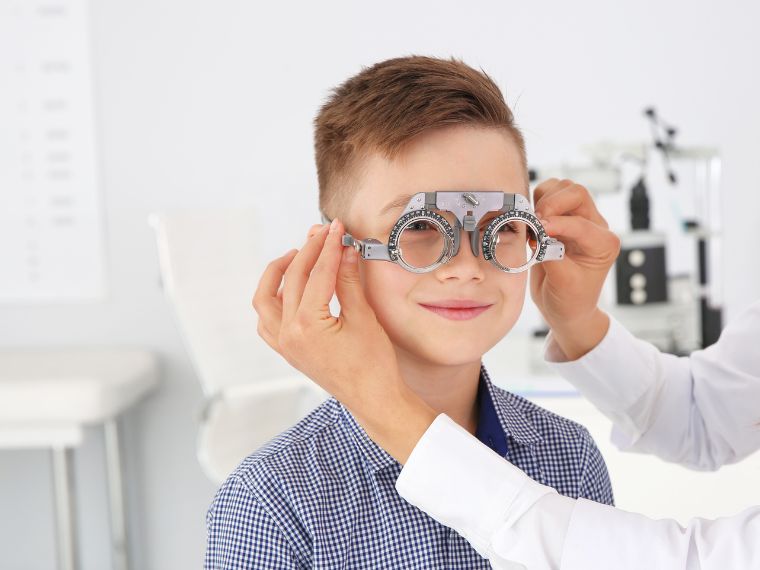
August is recognized as Children’s Eye Health and Safety Month, a timely reminder for parents and caregivers to prioritize their child’s vision and eye protection. Good vision is critical for a child’s development, learning, and overall well-being — yet many eye issues in children can go undetected without proper care.

At our clinic in Dubai, Dr. Shabbir Saifuddin, a highly experienced Eye Specialist, offers comprehensive pediatric eye care to ensure your child’s eyes are healthy, protected, and functioning at their best.

Why Children’s Eye Health Matters

Vision problems can interfere with a child’s ability to learn, read, focus, and interact socially. In fact, up to 80% of what children learn is visual, making eye health an essential part of academic and personal development.

Many vision issues show no early symptoms, which is why early detection through regular eye exams is so important.

Common Eye Conditions in Children

Dr. Shabbir Saifuddin is trained to diagnose and manage a range of pediatric eye conditions, including:

  • Refractive errors (nearsightedness, farsightedness, astigmatism)
  • Amblyopia (lazy eye)
  • Strabismus (crossed or misaligned eyes)
  • Blocked tear ducts
  • Allergic conjunctivitis
  • Eye injuries and infections

With early treatment, many of these issues can be corrected or effectively managed to prevent long-term vision problems.

Tips for Parents: Protecting Your Child’s Vision

As part of Children’s Eye Health and Safety Month, Dr. Saifuddin recommends the following practices:

✔ Schedule Regular Eye Exams

Start eye exams early — even before school age — and continue yearly checkups. Early detection is key to preventing permanent vision damage.

✔ Encourage Outdoor Play

Time spent outdoors helps reduce the risk of myopia (nearsightedness), which is becoming increasingly common in children.

✔ Limit Screen Time

Excessive screen use can lead to digital eye strain. Teach your child the 20-20-20 rule: every 20 minutes, look at something 20 feet away for 20 seconds.

✔ Ensure Proper Eye Protection

Children should wear protective eyewear during sports and recreational activities to avoid injuries.

✔ Choose Age-Appropriate Toys

Avoid toys with sharp edges or projectiles that could cause harm to the eyes.

Specialized Pediatric Eye Care in Dubai

Dr. Shabbir Saifuddin provides personalized care in a child-friendly environment. His approach emphasizes comfort, early diagnosis, and parental education — ensuring your child receives the highest standard of eye care.

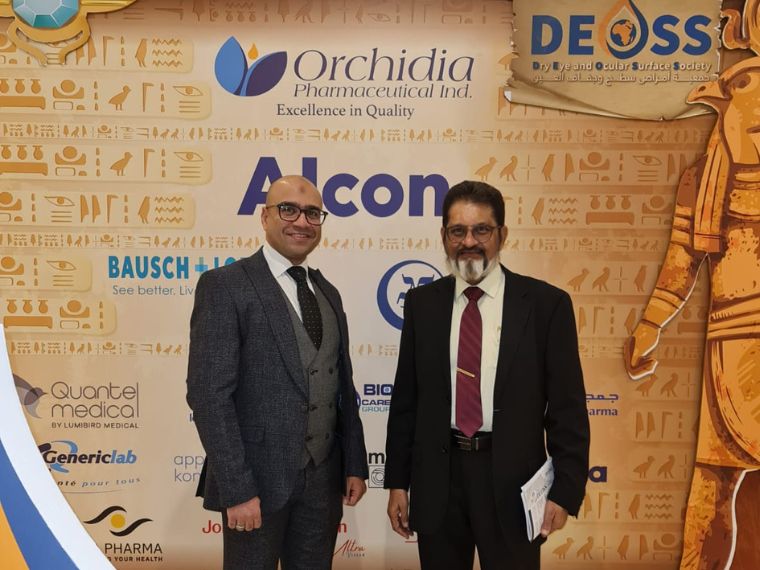
Dr. Shabbir attending International Congress on Dry Eye in Luxor Egypt in February 2025

Dr. Shabbir attending International Congress on Dry Eye in Luxor Egypt in February 2025

2nd DEOSS Congress
on Dry Eye and Ocular Surface in Luxor, Egypt
from February 20 to 21, 2025

This year’s Congress is set against the historical backdrop of Luxor, a city known for its cultural heritage and timeless beauty.
It offers a unique opportunity to engage in deep scientific discussions, network with global peers, and foster collaborations in ocular surface care. Our program is designed to deliver exciting scientific sessions, hands-on workshops, and inspiring presentations that address the most pressing challenges and breakthroughs in the field.

Whatsapp Now